Lines That Shape Movement and Control
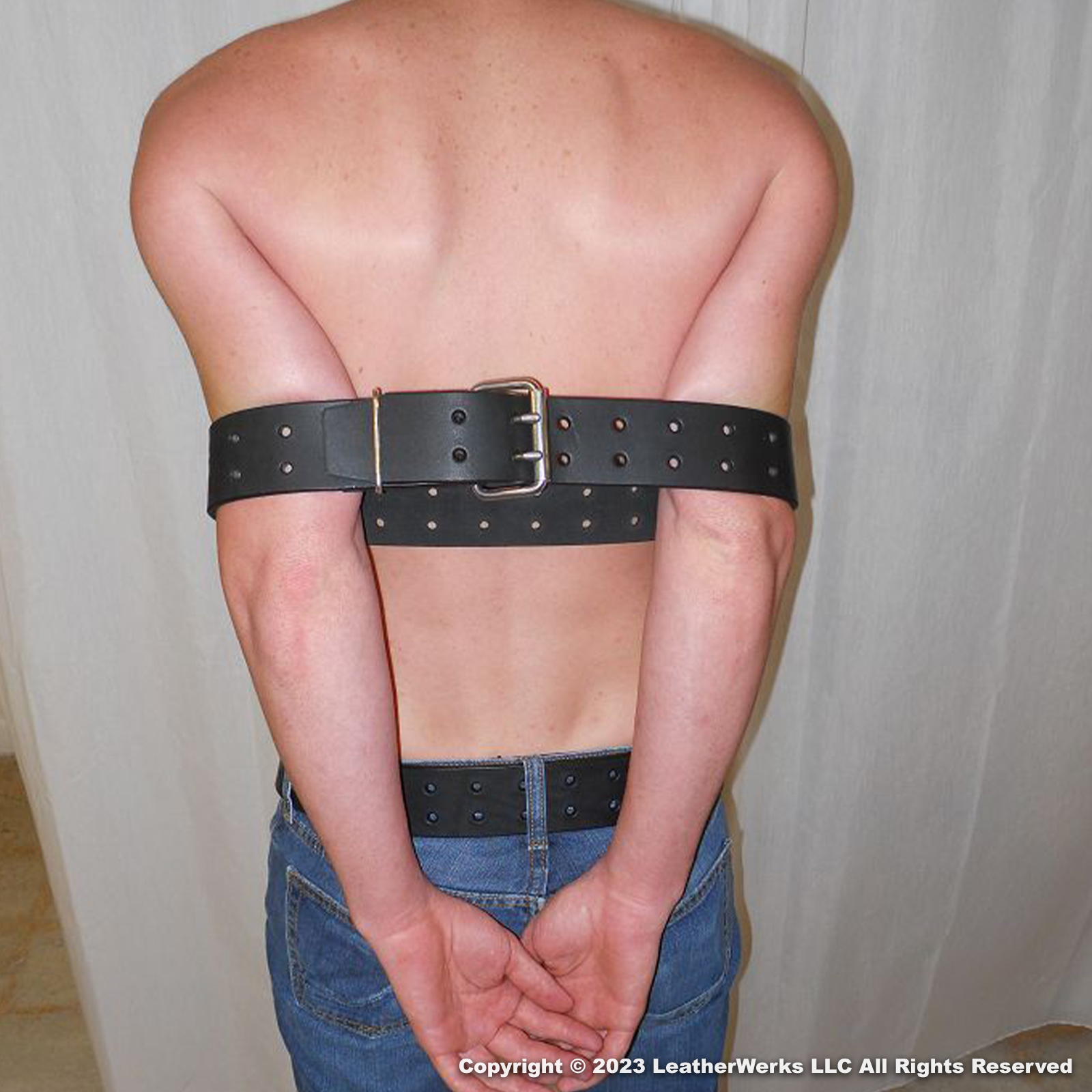
Bondage and rope create structure, restraint, and connection through deliberate placement. Their lines guide the body into new positions and help shape focus. Because they rely on tension rather than force, bondage and rope support safe, intentional restraint. You feel the shift as soon as...
Lines That Shape Movement and Control
Bondage and rope create structure, restraint, and connection through deliberate placement. Their lines guide the body into new positions and help shape focus. Because they rely on tension rather than force, bondage and rope support safe, intentional restraint. You feel the shift as soon as the first wrap tightens. In addition, the pressure encourages stillness and grounding.
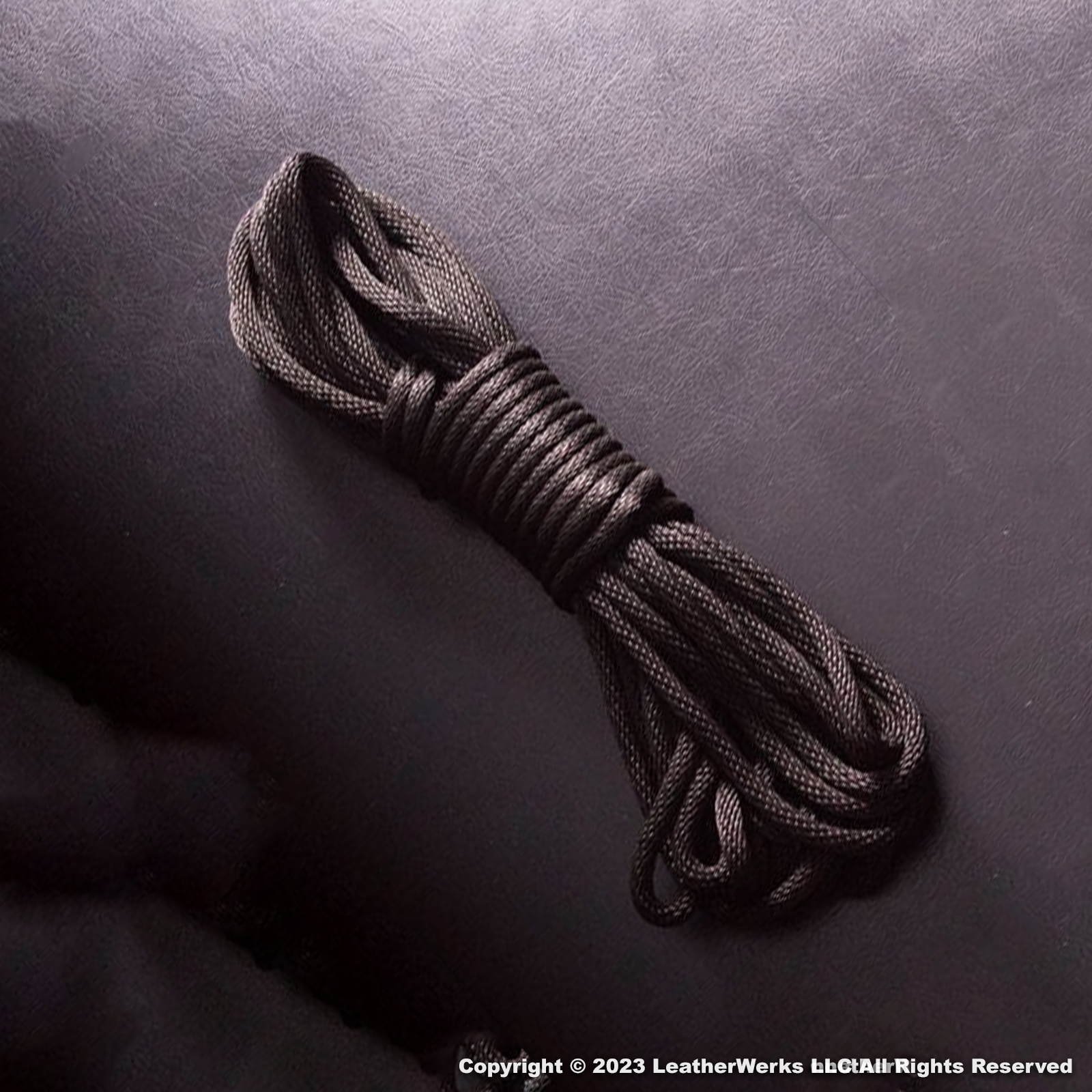
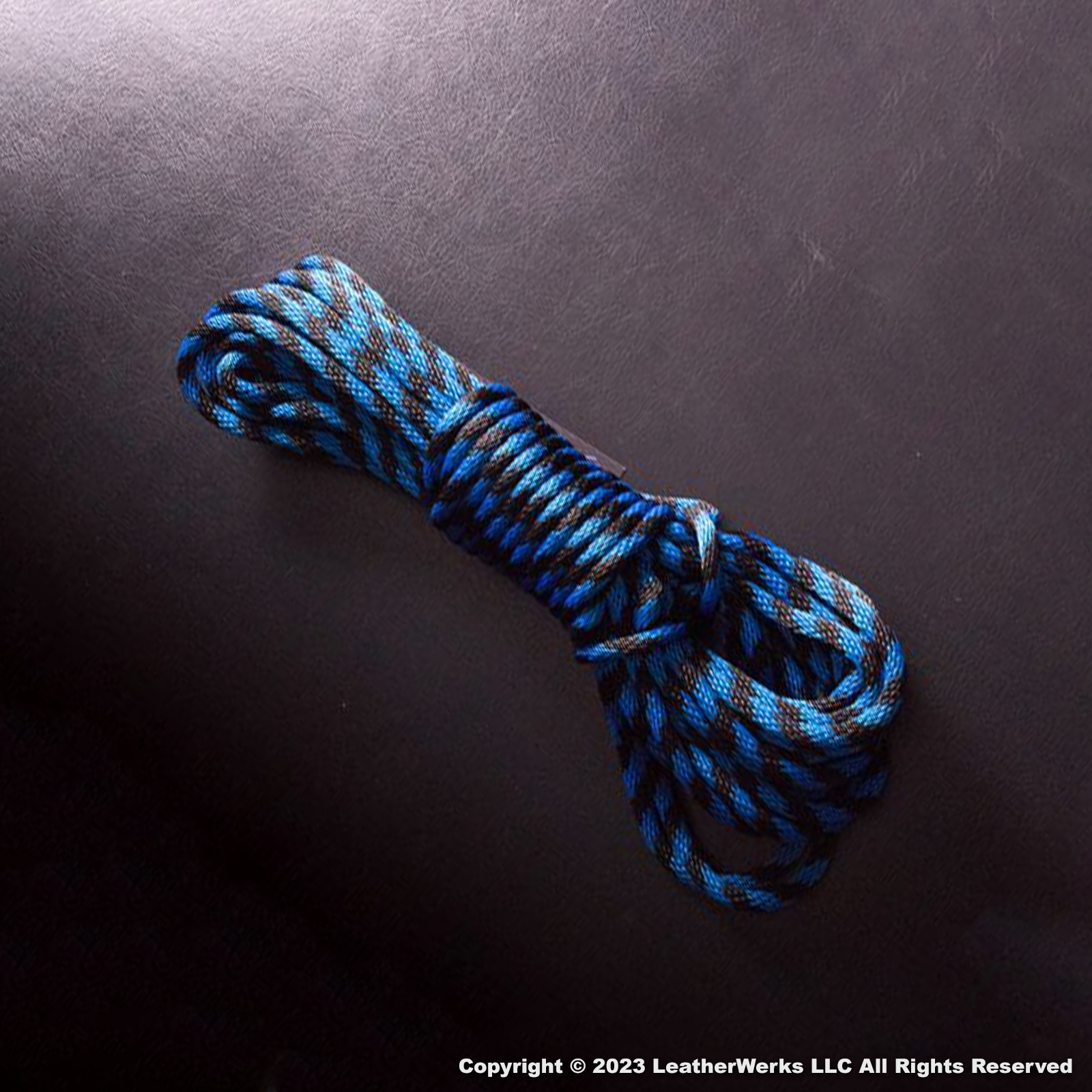
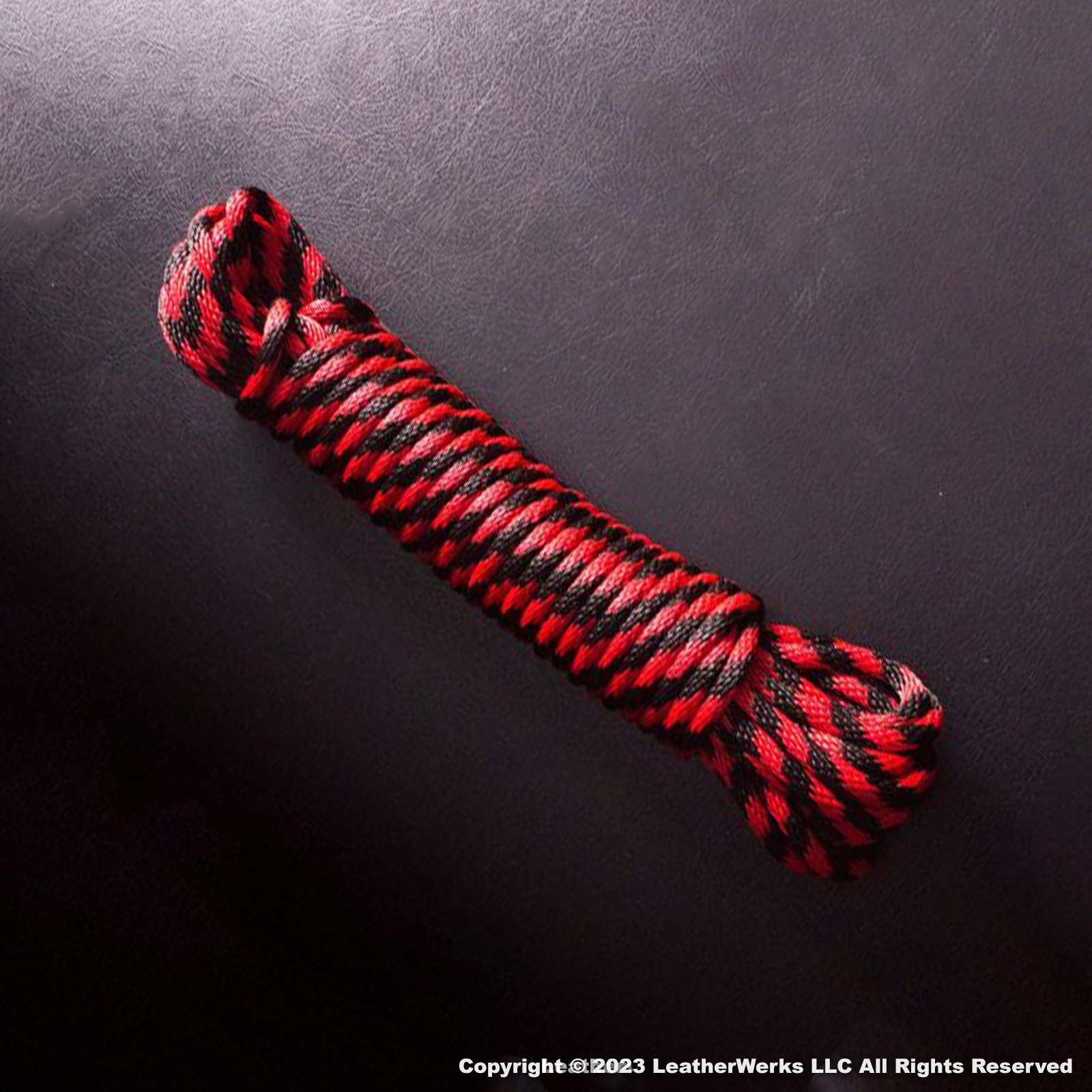
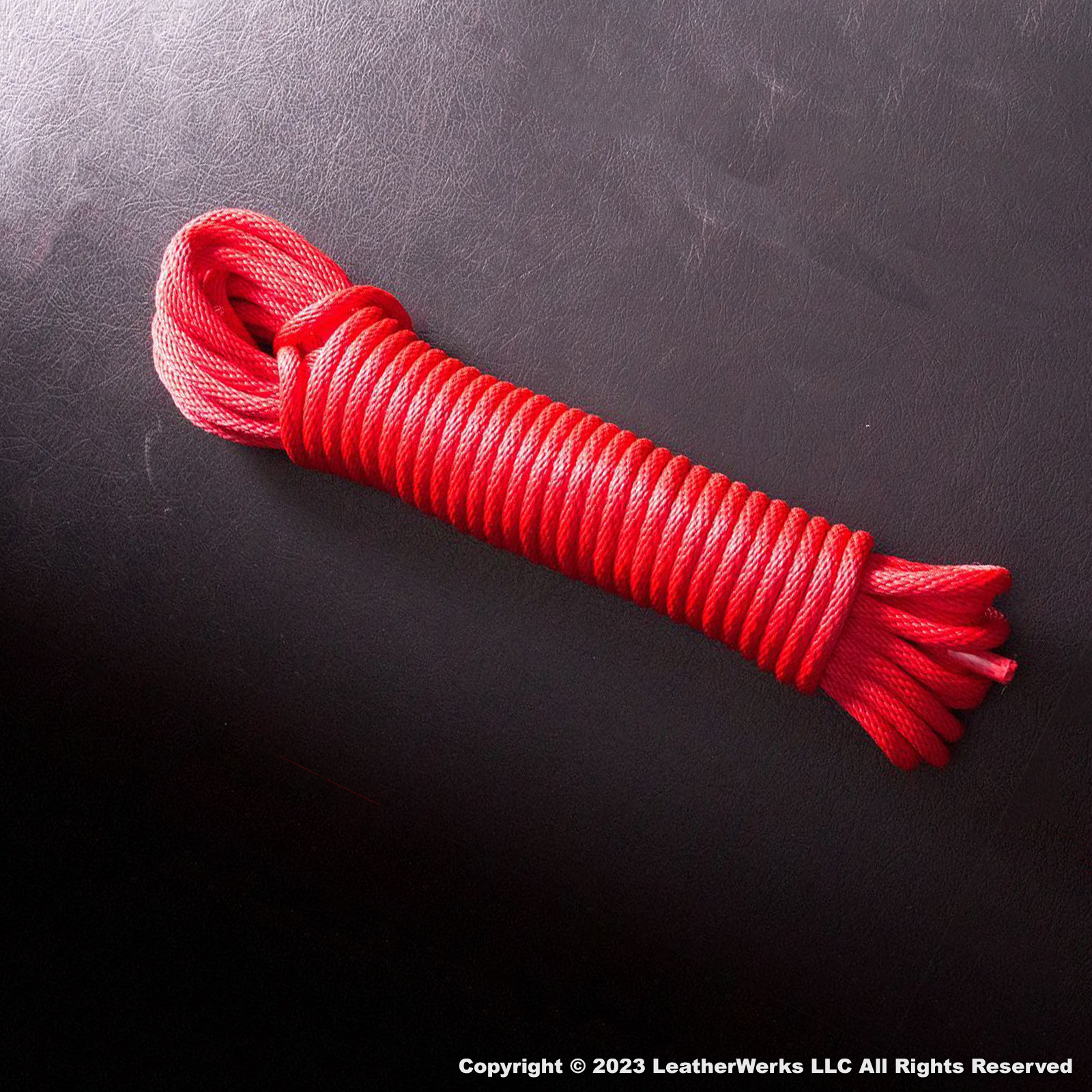
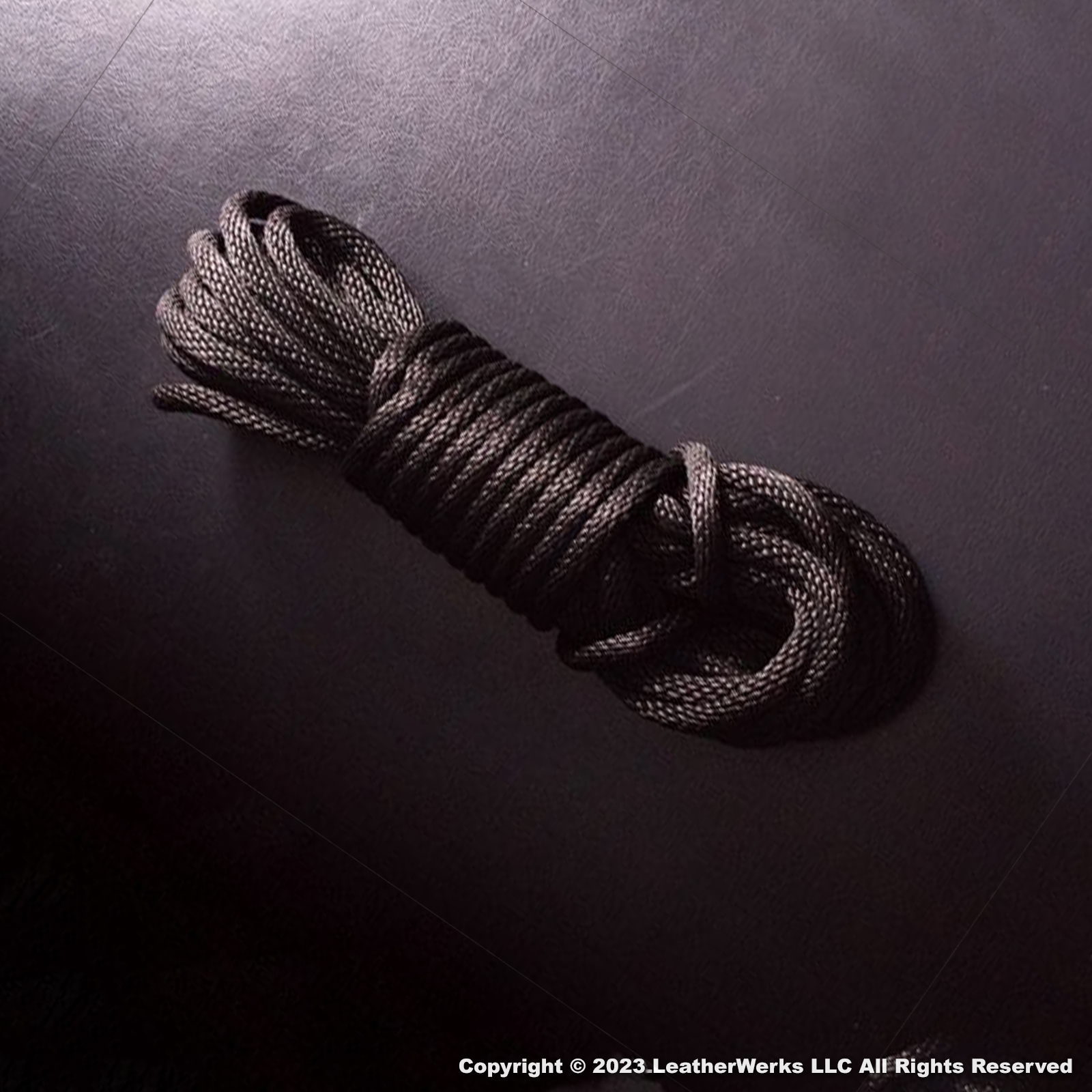
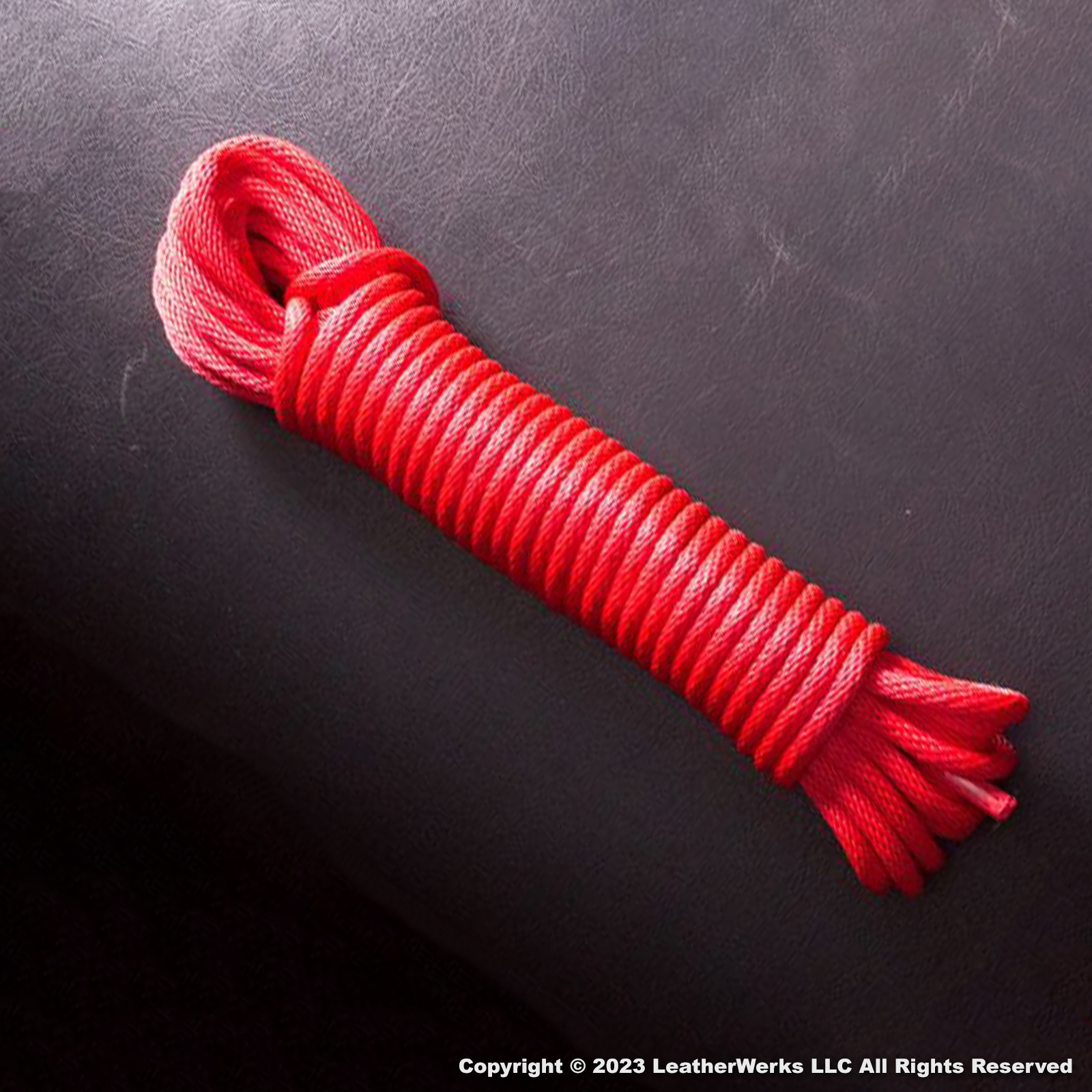
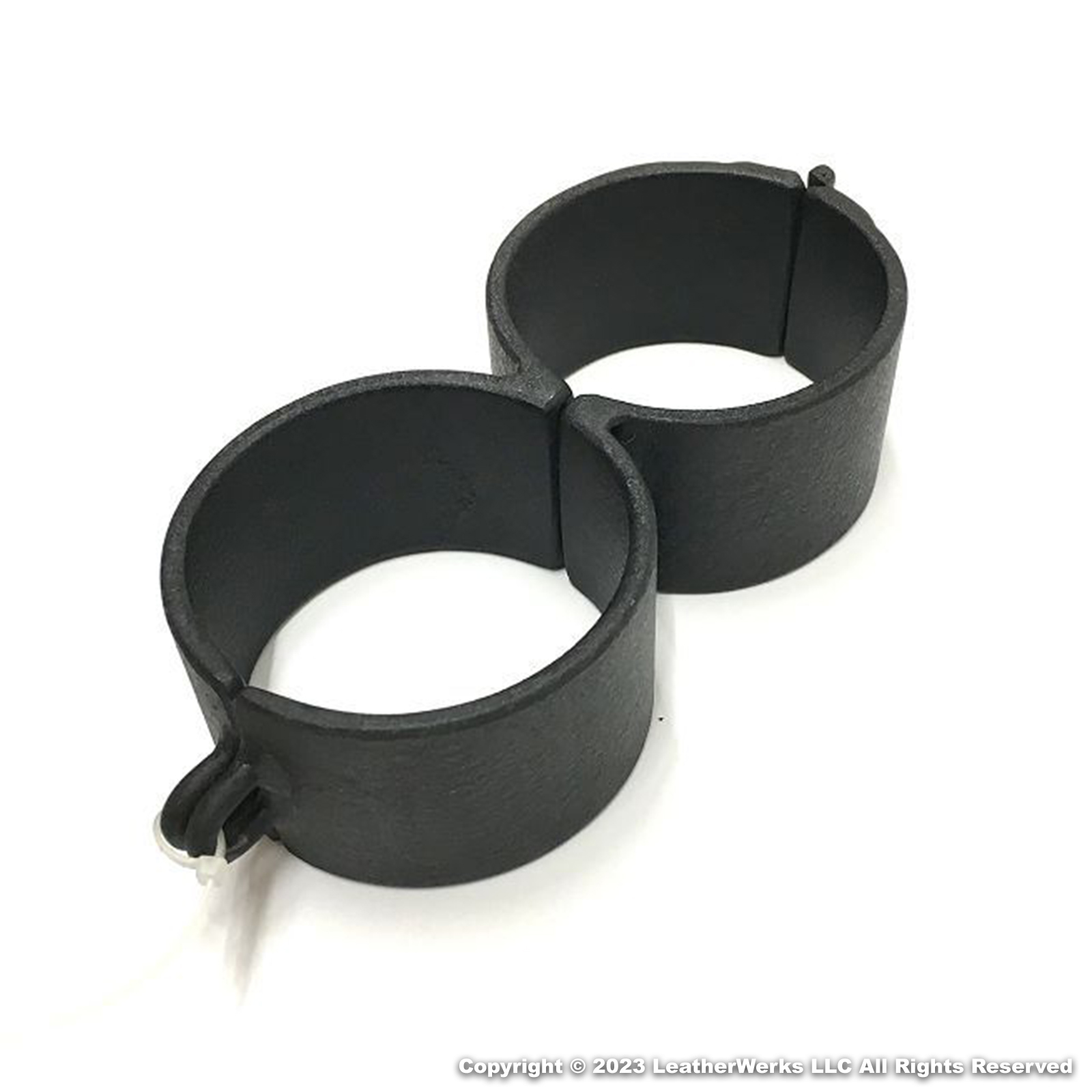
Soft rope molds to curves and distributes weight evenly across the body. Its fibers create steady pressure without discomfort. Meanwhile, sturdier materials offer firmer control for more practiced users. Therefore, bondage and rope allow you to choose between gentle hold or more defined structure. Each type shapes the moment differently.
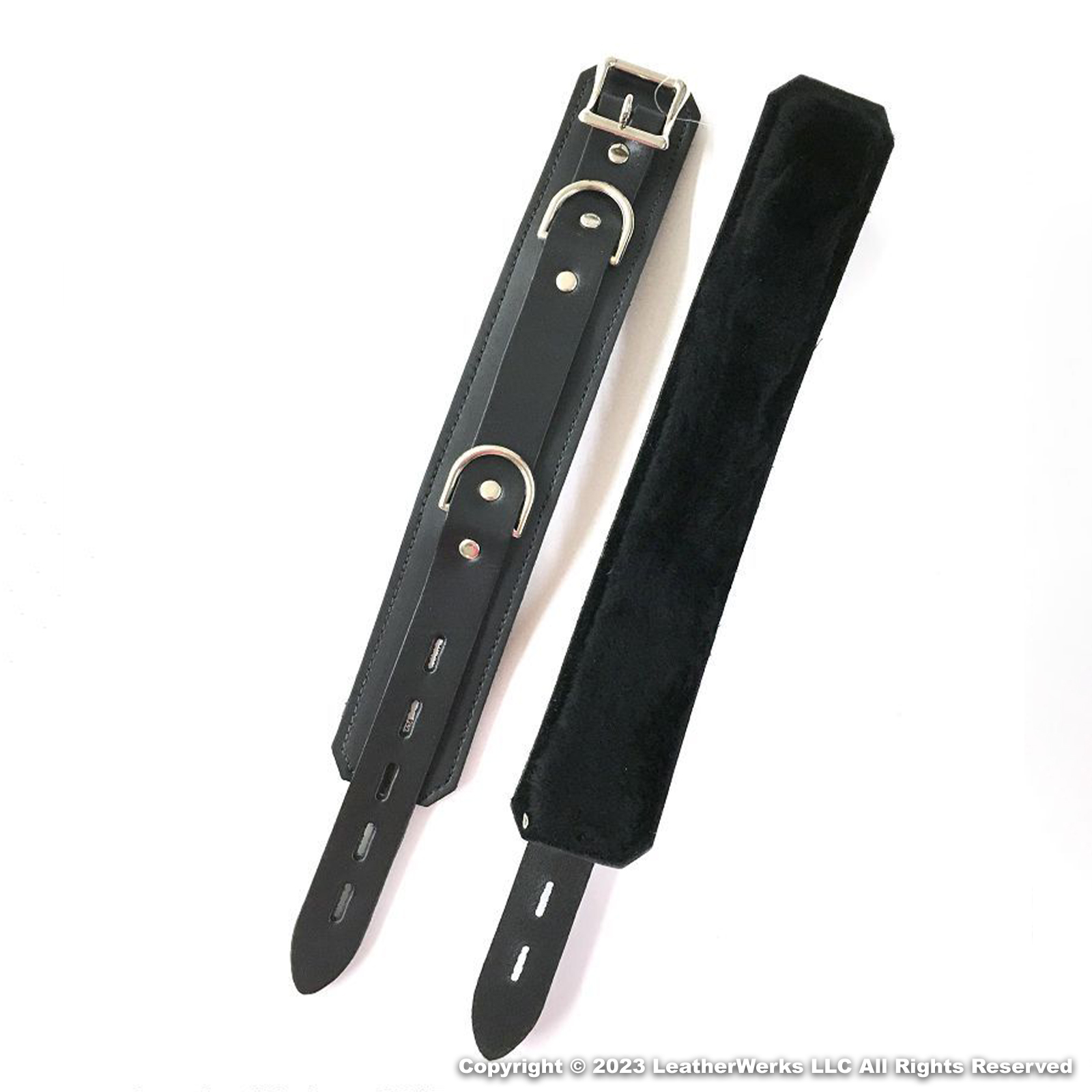
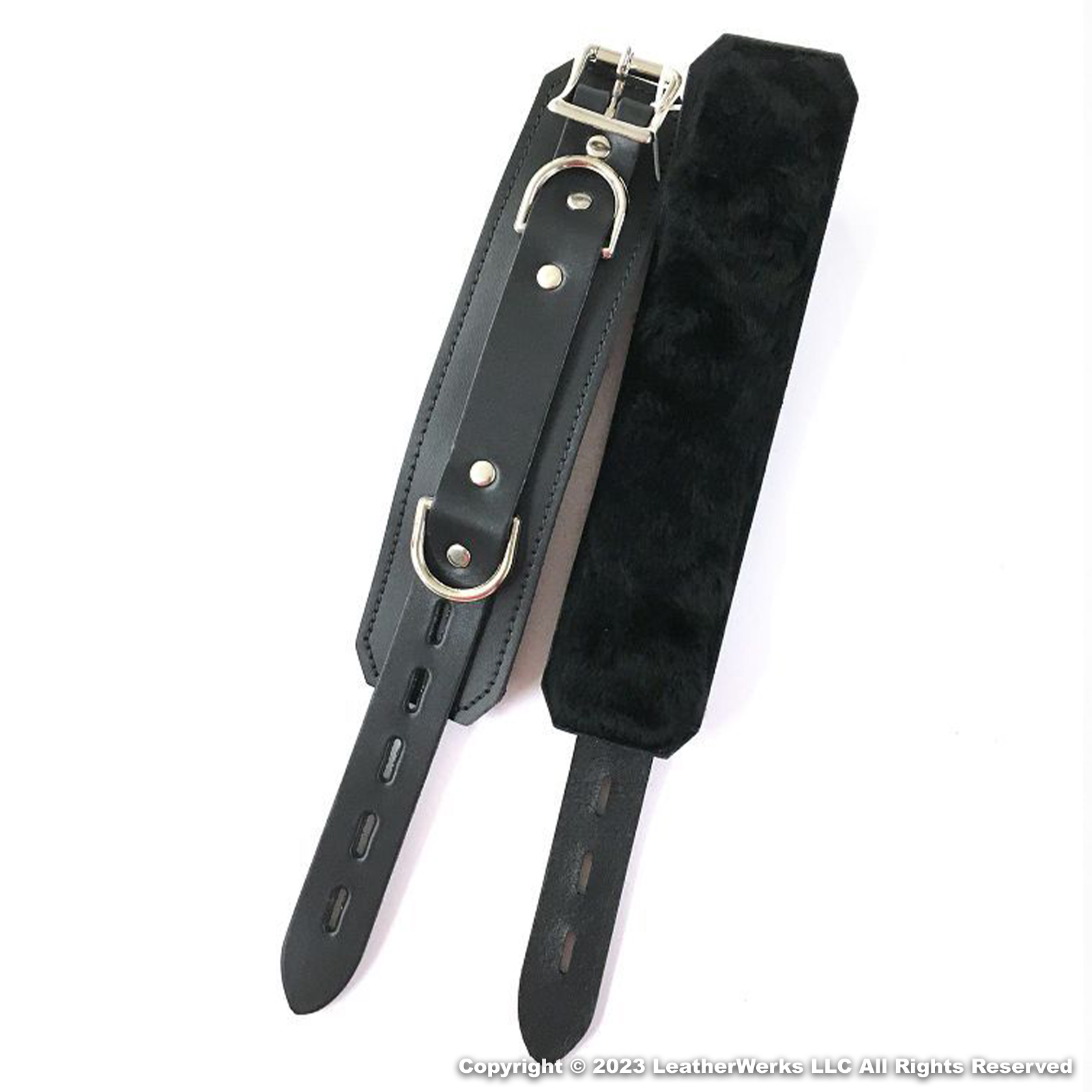
These tools pair well with cuffs, collars, or sensory gear that enhances the experience. Because bondage and rope depend on careful technique, they encourage patience and thoughtful preparation. Furthermore, the knots and wraps become visual elements that highlight muscle lines and shape. You can pull, shift, or settle into a pose, and the ties stay stable. Every movement becomes meaningful.
With proper guidance, this gear supports trust, communication, and mindful restraint. The ties hold your body while allowing intentional breathing and pacing. Additionally, bondage and rope come in various textures and thicknesses, letting you tailor pressure to comfort and intention. Because they blend connection, structure, and controlled tension, they remain trusted choices for anyone exploring deliberate restraint.
Read More